
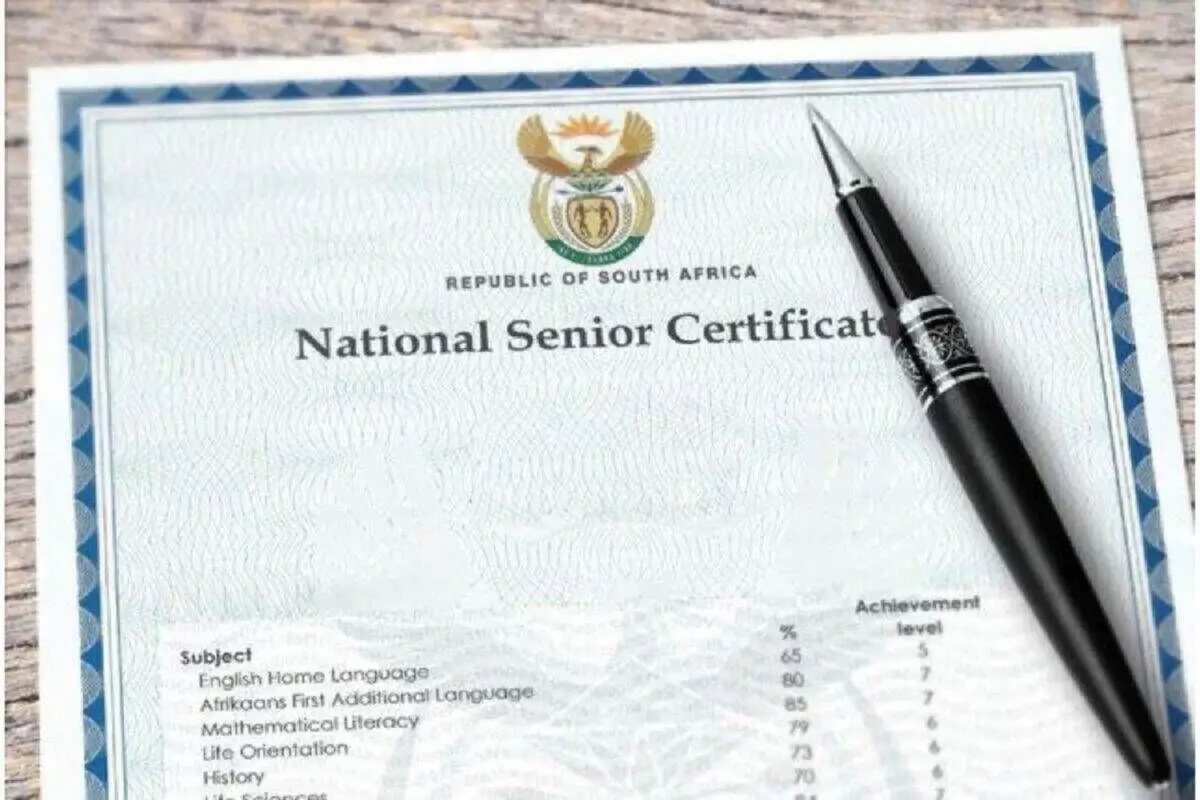

Failing matric can feel overwhelming and disappointing, especially after years of hard work. However, failing matric does not mean your future is over. Thousands of South Africans who did not pass matric have gone on to build successful careers through alternative pathways.
This article explains what it means to fail matric, what happens next, and what options are available.
What Does “Failing Matric” Mean?
According to the Department of Basic Education (DBE), you fail matric if you do not meet the minimum requirements for a Higher Certificate Pass.
This usually happens when:
- You fail too many subjects
- You do not achieve the required minimum percentages
- You fail to pass six subjects
Failing matric means you do not receive the National Senior Certificate (NSC) for that year.
What Happens Immediately After You Fail Matric?
If you fail matric:
- You will receive a Statement of Results showing your marks
- Your result status will indicate “Not Achieved”
- You will not qualify for university, TVET college diplomas, or higher certificates based on those results
Although this can be difficult to accept, it is not the end of your education journey.
Your Options If You Fail Matric
1. Rewrite Matric Subjects
You may choose to rewrite the subjects you failed.
You can:
- Rewrite through the DBE May/June exams
- Rewrite in the November NSC examinations
This allows you to improve your marks and qualify for a matric pass.
2. Upgrade Your Matric Results
A matric upgrade is ideal if:
- You passed matric but want better marks
- You failed only one or two subjects
Upgrading helps you:
- Improve subject marks
- Qualify for higher pass levels
- Meet university or college entry requirements
3. Enrol in Adult Education (ABET / Adult Matric)
Adult Education programmes allow learners to:
- Complete matric at a later stage
- Study at a flexible pace
- Rewrite selected subjects
This option is suitable for learners who are older or need a different learning environment.
4. Study Without Matric
You do not always need matric to continue learning.
You can consider:
- Skills programmes
- Short courses
- Learnerships
- Apprenticeships
Many institutions and employers offer opportunities that focus on skills rather than certificates.
5. Attend a TVET College (Alternative Routes)
Some TVET colleges offer:
- Entry-level programmes without matric
- Bridging courses that lead to formal qualifications
With time and effort, these routes can still lead to higher education.
Can You Still Build a Career Without Matric?
Yes. Many careers do not require matric immediately, including:
- Trades and technical work
- Hospitality and tourism
- Retail and sales
- Construction and artisan fields
- Entrepreneurship
With experience, additional training, and determination, many people succeed without a traditional matric pass.
What You Should Avoid Doing
- Giving up completely
- Believing you are not capable
- Comparing yourself negatively to others
- Making rushed decisions out of panic
Failure is a setback — not a permanent condition.
Final Thoughts
Failing matric is disappointing, but it is not a life sentence. South Africa’s education system offers multiple second chances, and many successful people took alternative paths after failing matric.
What matters most is how you respond, not the result itself.
Your journey may take a different route — but you can still reach your destination.