
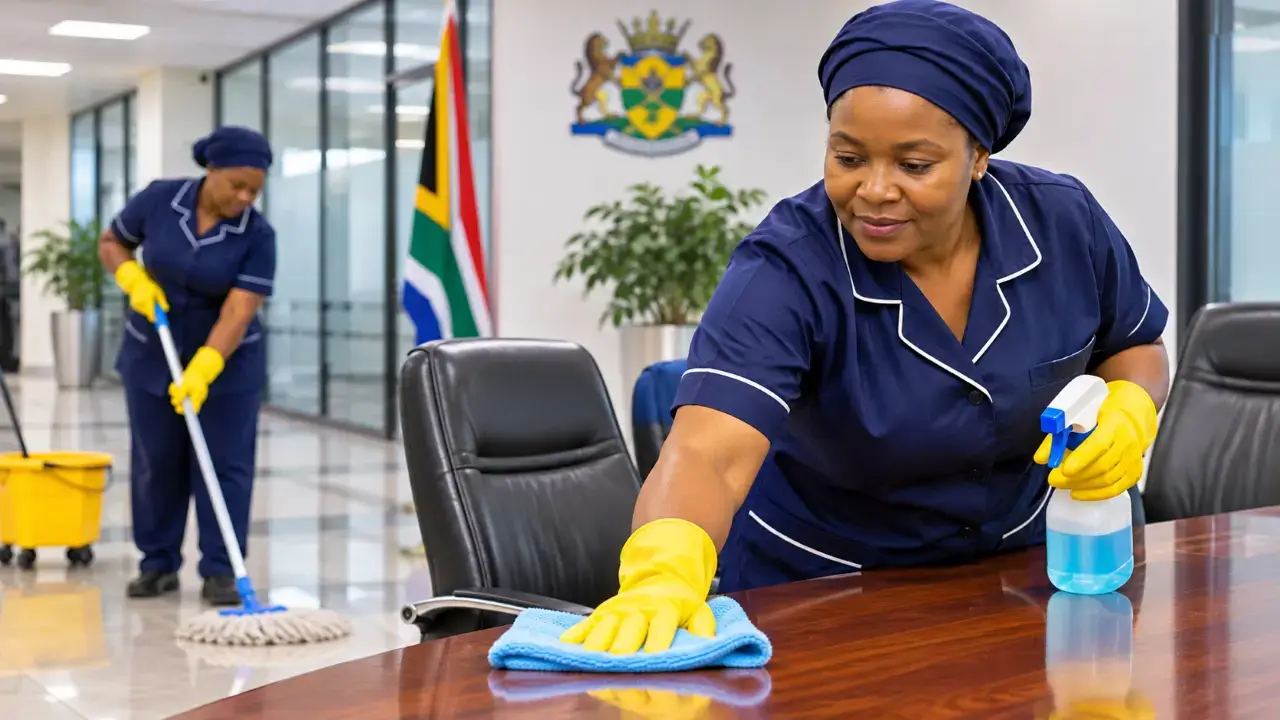

Are you looking for government jobs in South Africa? Several national and provincial government departments regularly advertise employment opportunities for job seekers with Grade 12, diplomas, degrees and other qualifications.
Government vacancies include administration clerks, general workers, cleaners, drivers, security officers, finance officers, human resource practitioners, teachers, nurses, engineers and many other positions.
The Department of Public Service and Administration (DPSA) publishes the Public Service Vacancy Circular, one of the main official sources of government job advertisements in South Africa.
Whether you are a matriculant searching for an entry-level position, an unemployed graduate or an experienced professional, this guide explains where to find government vacancies, how to apply and which documents you need.
Latest Government Vacancies in South Africa – November 2026
The latest published DPSA Public Service Vacancy Circular, as of 9 November 2026, is Circular 40 of 2026, released on Friday, 6 November 2026.
The circular contains job advertisements from national departments and provincial administrations. DPSA+1
DPSA Circular 40 of 2026
Published
6 November 2026
Find government job opportunities, requirements, salary information, application instructions and closing dates in the official vacancy circular.View Latest Government Vacancies Closing dates vary by position. Check each advertisement before applying.
Government Departments Advertising Jobs
DPSA Circular 40 of 2026 includes vacancies advertised by the following national departments and institutions:
- Department of Employment and Labour
- Department of Water and Sanitation
- Department of Defence
- Department of Electricity and Energy
- Department of Forestry, Fisheries and the Environment
- Department of Higher Education and Training
- South African Police Service (SAPS)
- Department of Transport
- National Treasury
- Department of Tourism
- Department of Small Business Development
- Department of Mineral and Petroleum Resources
- Government Communication and Information System (GCIS)
- Department of Land Reform and Rural Development
- The Presidency
The circular also features advertisements from Gauteng, KwaZulu-Natal, Limpopo, Mpumalanga, North West and Western Cape provincial administrations.
Not every department advertises every type of position. Applicants should open the department’s vacancy section to check available posts and qualifications. DPSA
Examples of Government Jobs Currently Advertised
The Department of Employment and Labour has# What to Do After Matric If You Don’t Want to Go to University in South Africa (2027 Guide)
Updated: 9 November 2026
Finishing matric is an important milestone, but not every matriculant wants to attend university. Some students prefer to start working, learn practical skills, become entrepreneurs or pursue careers that do not require a university degree.
The good news is that there are several opportunities available in South Africa after matric without going to university, including TVET college programmes, learnerships, apprenticeships, entry-level jobs, vocational training and online courses.
Whether you have passed matric with a bachelor’s, diploma or higher certificate pass, or simply want to explore a different career path, you can still build a successful future without immediately enrolling at a university.
This guide explores 12 practical options for South African matriculants in 2027, including where to apply, possible funding opportunities and how to get started.
1. Apply to a TVET College
Technical and Vocational Education and Training (TVET) colleges are among the main alternatives to university in South Africa.
TVET colleges offer practical, career-focused programmes that help students develop technical, vocational and occupational skills.
Students can explore courses such as:
- Electrical Engineering
- Mechanical Engineering
- Civil Engineering
- Information Technology
- Hospitality and Catering Services
- Business Management
- Financial Management
- Office Administration
- Automotive Repair and Maintenance
- Hairdressing and Beauty Therapy
Depending on the college, the programmes may include National Certificate (Vocational), NATED or occupational qualifications.
The Department of Higher Education and Training confirms that TVET education includes vocational, occupational and artisan training, with practical skills development. South African Government
Where to apply: Visit Department of Higher Education and Training or the official website of your preferred public TVET college.
2. Apply for Learnership Programmes
Learnerships are suitable for matriculants who want to gain workplace experience while studying towards a recognised qualification.
A learnership combines theoretical learning with practical training in a workplace.
Some learnerships offer monthly allowances to eligible participants, depending on the programme and employment agreement.
Popular learnership fields include business administration, banking, retail, information technology, customer service, logistics, manufacturing and insurance.
The government advises unemployed applicants to register as work seekers at a labour centre and contact relevant Sector Education and Training Authorities (SETAs). South African Government+1
Where to find learnerships:
3. Become an Apprentice and Learn a Trade
If you enjoy working with your hands, an apprenticeship could be a suitable alternative to university.
Apprenticeships provide structured practical training in specific trades, usually combining workplace experience with technical learning.
Possible career paths include:
- Electrician
- Plumber
- Welder
- Diesel Mechanic
- Motor Mechanic
- Boilermaker
- Fitter and Turner
- Millwright
- Refrigeration Technician
Apprentices may need to complete formal assessments and a trade test before becoming qualified artisans.
Employers and training providers advertise apprenticeship opportunities throughout the year.
Where to apply: Check merSETA and the recruitment pages of engineering, automotive, manufacturing and mining companies.
4. Apply for Government Jobs That Require Matric
Some entry-level government positions accept applicants with Grade 12 or an equivalent qualification, although certain posts may require additional skills, certificates or experience.
Examples include:
- Administration Clerk
- Registry Clerk
- Data Capturer
- Receptionist
- General Worker
- Cleaner
- Driver
- Stores Assistant
- Groundsman
- Messenger
Government vacancies are advertised by national and provincial departments, with individual application requirements and closing dates.
Where to apply: Visit the DPSA Public Service Vacancy Circular to find government jobs.
Applicants should read each advertisement carefully because not every vacancy is open to candidates without experience.
5. Find Entry-Level Jobs in the Private Sector
Going straight into employment after matric can help you earn an income, gain work experience and develop professional skills.
Several industries recruit matriculants for junior positions, depending on current vacancies and employers’ requirements.
Possible jobs include retail assistant, cashier, call centre agent, sales consultant, warehouse assistant, receptionist, delivery assistant, hotel assistant and customer service representative.
Some employers provide workplace training to new recruits.
Where to search: SA Youth and Indeed are useful starting points, alongside employers’ official career websites.
6. Start Your Own Small Business
If you are interested in entrepreneurship, you do not necessarily need a university qualification to start a small business.
Some business ideas that matriculants can explore include:
- Mobile car washing
- Hairdressing or barber services
- Baking and catering
- Graphic design
- Clothing and accessories
- Photography
- Social media management
- Cleaning services
- Tutoring younger learners
- Website design
- Laundry services
- Event decoration
Start by researching demand in your community, developing a simple business plan and calculating the cost of equipment, supplies and transport.
Young entrepreneurs can explore business support and development services through the Small Enterprise Development and Finance Agency (Seda) and National Youth Development Agency (NYDA).
Business funding is subject to eligibility and availability, and starting a business does not guarantee immediate income.
7. Learn Digital Skills Through Online Courses
Technology offers various career opportunities for people who are willing to develop practical skills.
You can explore short courses in:
- Web development
- Graphic design
- Digital marketing
- Video editing
- Data analysis
- Cybersecurity fundamentals
- Computer literacy
- Social media marketing
Some platforms provide free learning materials, while certificates or advanced programmes may require payment.
Online learning platforms:
| Platform | Courses |
|---|---|
| IBM SkillsBuild | Digital skills, technology and career readiness |
| freeCodeCamp | Programming and web development |
| Grow with Google | Digital skills and career development |
| Coursera | Business, technology and professional courses |
| Microsoft Education | Digital learning and technology resources |
Completing an online course does not automatically guarantee employment. Building projects and demonstrating your skills can improve your chances of securing opportunities.
8. Consider a Career in the Security Industry
The private security industry offers employment opportunities that may interest matriculants who prefer practical work.
Possible career paths include security officer, access control officer, control room operator and CCTV monitoring assistant.
Depending on the role, candidates may need recognised security training, registration with the Private Security Industry Regulatory Authority (PSiRA) and other employment requirements.
Visit PSiRA to learn about registration and recognised security training requirements.
9. Explore Hospitality and Tourism Careers
South Africa’s hospitality and tourism industries offer opportunities in restaurants, hotels, lodges and travel-related businesses.
Possible entry-level positions include:
- Waiter or waitress
- Kitchen assistant
- Housekeeping assistant
- Hotel receptionist
- Guest service assistant
- Restaurant cashier
- Tourism assistant
Some positions require specific training, while others provide on-the-job instruction.
Matriculants interested in hospitality can also apply for vocational training at TVET colleges.
10. Take a Productive Gap Year
Taking a gap year does not have to mean doing nothing.
A well-planned gap year can provide time to research career options, develop skills, gain experience and prepare for future applications.
You could use this period to volunteer at a registered organisation, complete short courses, obtain a driver’s licence, improve your CV, build a portfolio or work part-time.
Set achievable goals and review your progress regularly so that the year supports your next career or education decision.
11. Join Youth Employment Programmes
Young South Africans can explore employment and work-experience opportunities through youth development initiatives.
A free platform connecting young South Africans to learning, earning and work-experience opportunities.Visit SA Youth
National Youth Development Agency
Provides youth development services, entrepreneurship support and information about available programmes.Visit NYDA
A youth employment initiative working with businesses to create work-experience opportunities for eligible young people.Visit YES
Programme eligibility, recruitment periods and available placements vary. Registering on a platform does not guarantee selection.
12. Improve Your Matric Results or Study Part-Time
If you are uncertain about your next step, you can also improve your matric results or consider part-time study.
The Department of Basic Education offers the Second Chance Matric Programme for eligible candidates who wish to complete or improve their National Senior Certificate or Senior Certificate results.
Improving selected subjects may help you meet admission requirements for courses you want to pursue later.
Visit the Department of Basic Education for information about matric improvement opportunities.
Can You Get NSFAS Funding Without Going to University?
Yes. NSFAS also provides funding to eligible students studying approved qualifications at public TVET colleges.
Qualifying students may receive support for tuition and approved allowances, subject to the applicable funding rules.
For the 2027 application cycle, NSFAS opened applications on 18 September 2026, with the main application period closing on 31 October 2026. Applicants should check official announcements for any additional TVET-specific application arrangements rather than assuming the main window remains open. NSFAS+2
Visit NSFAS official website for funding requirements and application updates.
Which Option Should You Choose After Matric?
The most suitable choice depends on your interests, financial circumstances and career goals.
| Your goal | Option to consider |
|---|---|
| Learn practical technical skills | TVET college |
| Study while gaining work experience | Learnership |
| Become a qualified artisan | Apprenticeship |
| Start earning an income | Entry-level employment |
| Work in public service | Government vacancies |
| Become self-employed | Small business |
| Build technology skills | Digital courses and projects |
| Gain experience before deciding | Structured gap year |
| Improve academic opportunities | Matric rewrite or upgrade |
Frequently Asked Questions
Can I get a job with only matric in South Africa?
Yes. Some government departments and private employers advertise entry-level jobs requiring Grade 12 without a university qualification. However, employers may require additional skills or experience for particular positions.
Can I apply for a learnership without going to university?
Yes. Many learnerships accept matriculants, depending on programme requirements. Some may even accept applicants who have not completed Grade 12.
Are TVET colleges better than universities?
Both serve different purposes. TVET colleges generally focus on vocational, technical and occupational training, while universities offer a broader range of academic and professional qualifications. The right choice depends on your intended career.
Can I become successful without a university degree?
Yes. There are careers in trades, technology, sales, entrepreneurship and other fields that do not necessarily require a university degree. However, training, experience, commitment and recognised qualifications may still be important.
What can I do after matric if I don’t have money?
Consider applying for NSFAS-funded TVET programmes, eligible learnerships, apprenticeships and free youth employment initiatives. Check official application requirements, costs and funding availability.
Can I apply for government jobs without experience?
Yes. Some government vacancies are advertised with no prior experience required. Always check the specific job advertisement.
Final Advice for Matriculants in 2027
Not wanting to attend university does not mean that your education or career journey has ended. There are several alternative pathways to employment, skills development and entrepreneurship in South Africa.
The important thing is to choose an option that matches your interests and circumstances, research its requirements and take practical steps towards your goals.
Whether you decide to attend a TVET college, complete a learnership, pursue an apprenticeship, seek employment or start a business, developing useful skills and gaining experience can help you prepare for future opportunities.
Remember: You do not have to follow the same path as everyone else to build a meaningful career.