
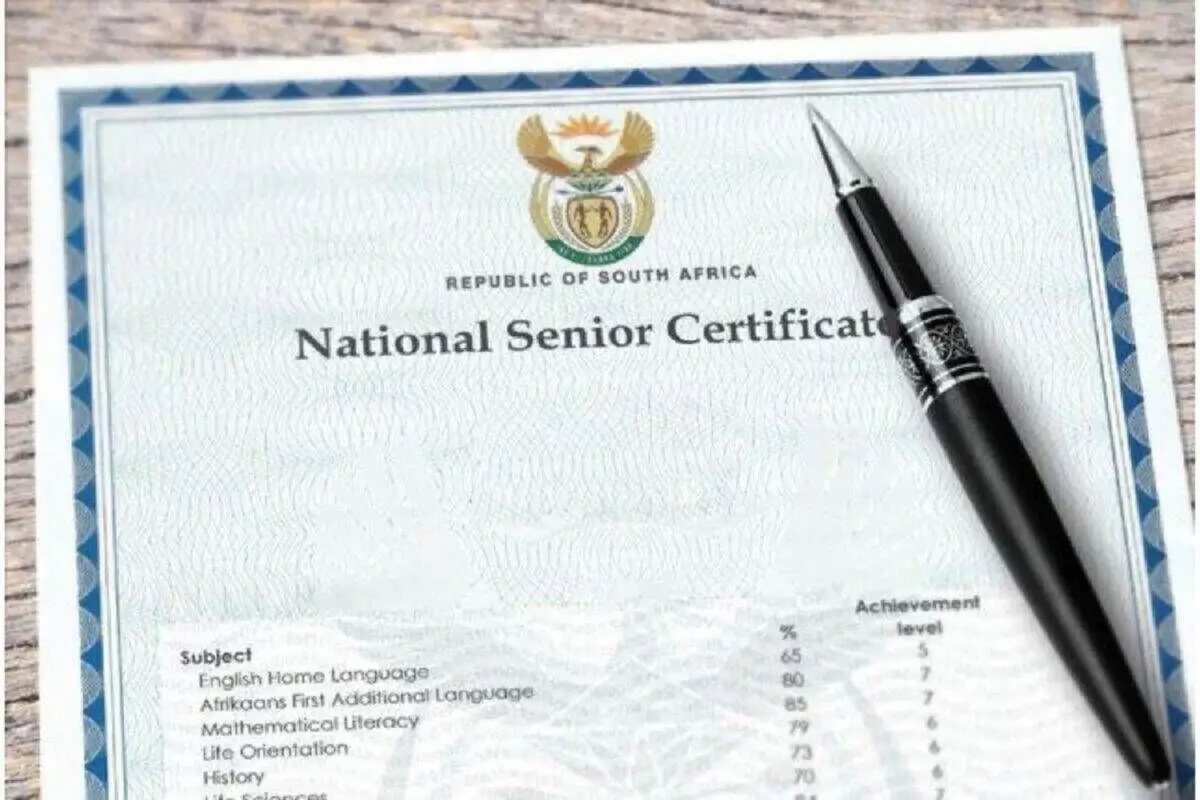

When matric results are released, learners often see terms like Bachelor’s Pass, Diploma Pass, or Higher Certificate Pass — but many are unsure what these actually mean. Understanding these pass levels is crucial because they determine what you can study next and where you can apply.
This guide breaks down each matric pass level in simple, clear terms.
Who Determines Matric Pass Levels?
Matric pass levels are set and administered by the Department of Basic Education (DBE) as part of the National Senior Certificate (NSC) system.
Each pass level comes with specific subject and percentage requirements.
What Is a Bachelor’s Degree Pass?
A Bachelor’s Pass is the highest matric pass level.
Minimum Requirements:
- 40% in Home Language
- 50% in four other subjects (excluding Life Orientation)
- At least 30% in two other subjects
- Must pass at least 6 of 7 subjects
What Can You Study With a Bachelor’s Pass?
- Bachelor’s degrees at universities
- Examples:
- BA (Bachelor of Arts)
- BCom (Bachelor of Commerce)
- BSc (Bachelor of Science) (subject requirements apply)
📌 Important:
A Bachelor’s Pass does not guarantee admission. Universities also look at:
- APS score
- Subject-specific requirements
- Competition for spaces
What Is a Diploma Pass?
A Diploma Pass allows entry into diploma programmes at universities of technology and TVET colleges.
Minimum Requirements:
- 40% in Home Language
- 40% in four other subjects
- 30% in two additional subjects
- Pass at least 6 subjects
What Can You Study With a Diploma Pass?
- Diplomas at:
- Universities of Technology
- Some traditional universities
- TVET colleges
Examples:
- Diploma in Human Resource Management
- Diploma in Public Management
- Diploma in Information Technology
- Diploma in Tourism Management
What Is a Higher Certificate Pass?
A Higher Certificate Pass is the minimum pass level for matric.
Minimum Requirements:
- 40% in Home Language
- 40% in two other subjects
- 30% in three additional subjects
- Pass at least 6 subjects
What Can You Study With a Higher Certificate Pass?
- Higher Certificate programmes at:
- Universities
- TVET colleges
- Short skills programmes and learnerships
Higher certificates often serve as a bridge to diplomas or degrees later.
Quick Comparison Table
| Pass Type | Study Options | Institution Type |
|---|---|---|
| Bachelor’s Pass | Degree programmes | Universities |
| Diploma Pass | Diploma programmes | Universities & TVETs |
| Higher Certificate Pass | Higher certificates | Universities & TVETs |
⚠️ Important Things Many Learners Don’t Know
- Passing matric does not mean you qualify for every course
- Mathematics or Physical Sciences may still be required for certain fields
- APS score matters just as much as the pass type
- You can upgrade your results later if needed
❓ What If You Don’t Qualify for the Pass You Want?
You still have options:
- Apply for a re-mark or re-check
- Do a matric rewrite or upgrade
- Start with a higher certificate, then progress
- Consider TVET colleges, learnerships, or skills programmes
Many successful graduates started with a lower pass and worked their way up.
Final Thoughts
Understanding what Bachelor’s Pass, Diploma Pass, and Higher Certificate Pass mean helps you make smart decisions after matric. Each pass level opens doors — the key is choosing the right path for your goals and abilities.
🎓 Your matric pass is not the end — it’s the starting point of your future.